
Farming The Future
Tractor Simulator
Technology Lead, Game Director, Accessibility | Ingenium
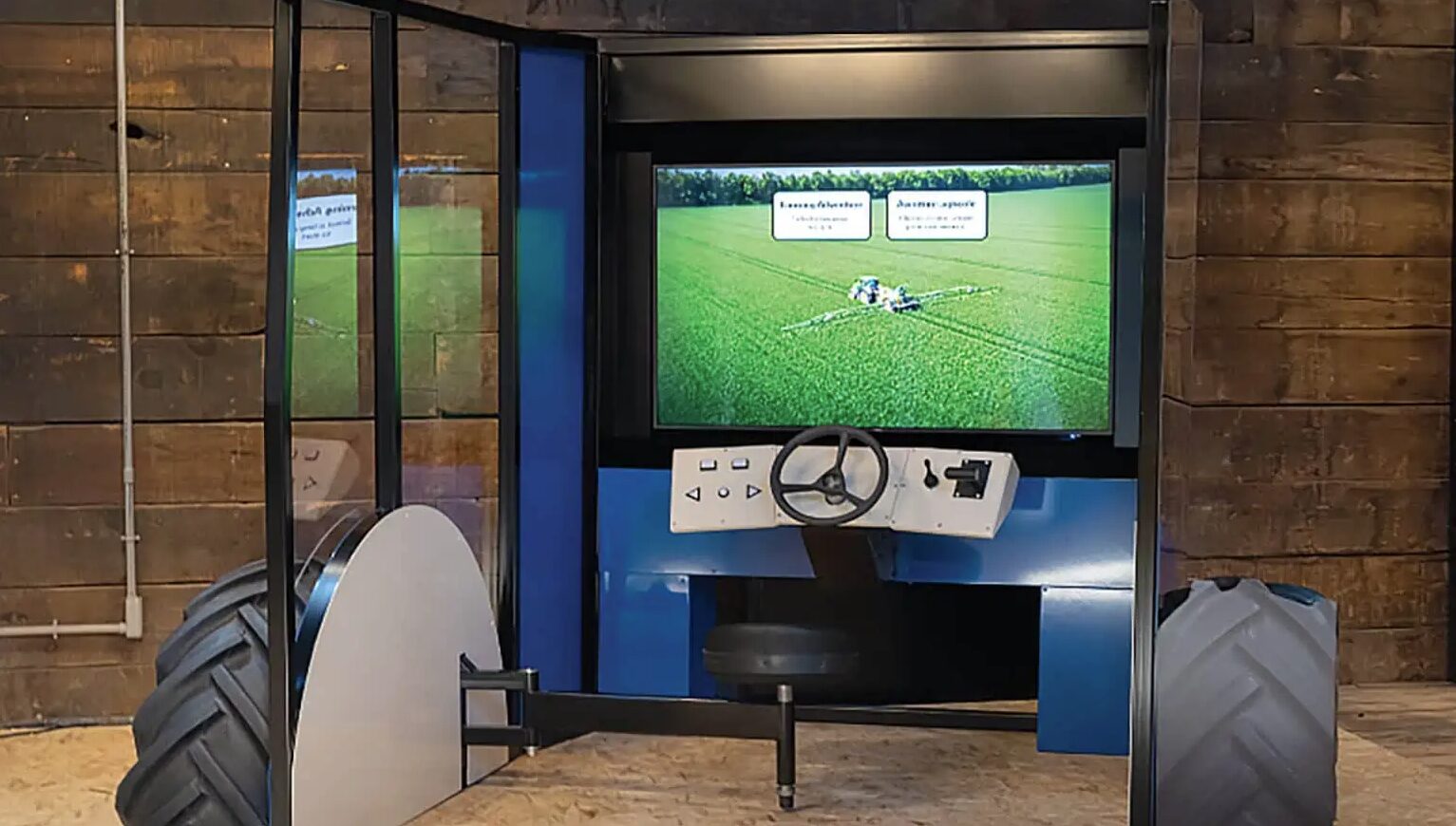
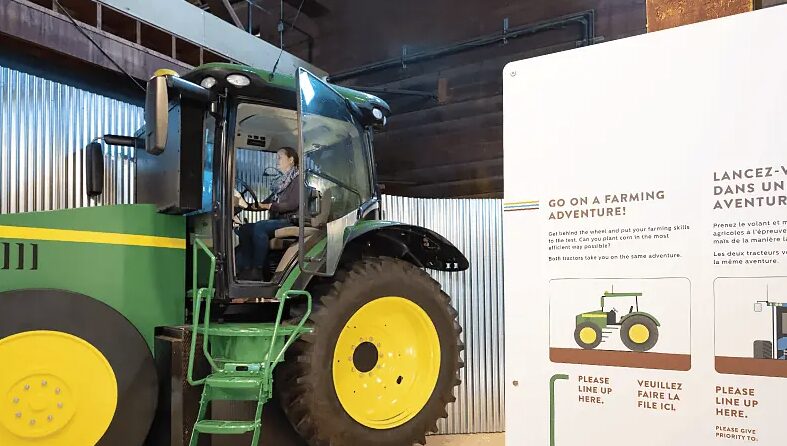
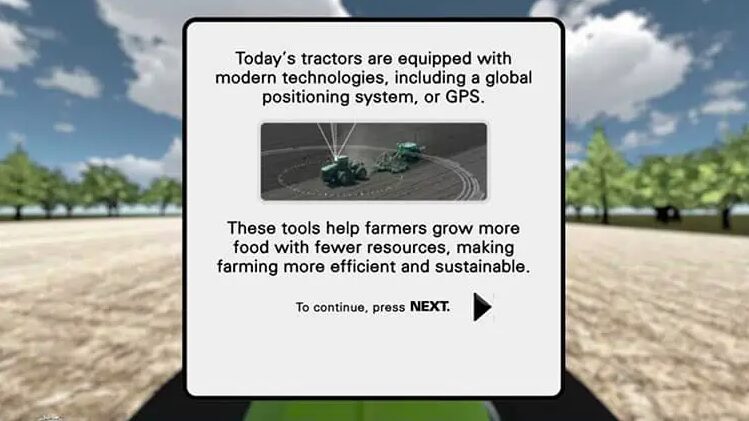
Farming The Future is an interactive, digitally immersive exhibit at the Canada Agriculture and Food Museum that reimagines a beloved tractor simulator through an accessibility-first lens. Designed for children ages 3–10 but engaging for all visitors, the experience teaches the fundamentals of modern precision agriculture—such as GPS-guided planting—through play. The project features two parallel experiences: a traditional tractor cab and a fully accessible ground-level version, both offering identical gameplay and controls to avoid “othering.”
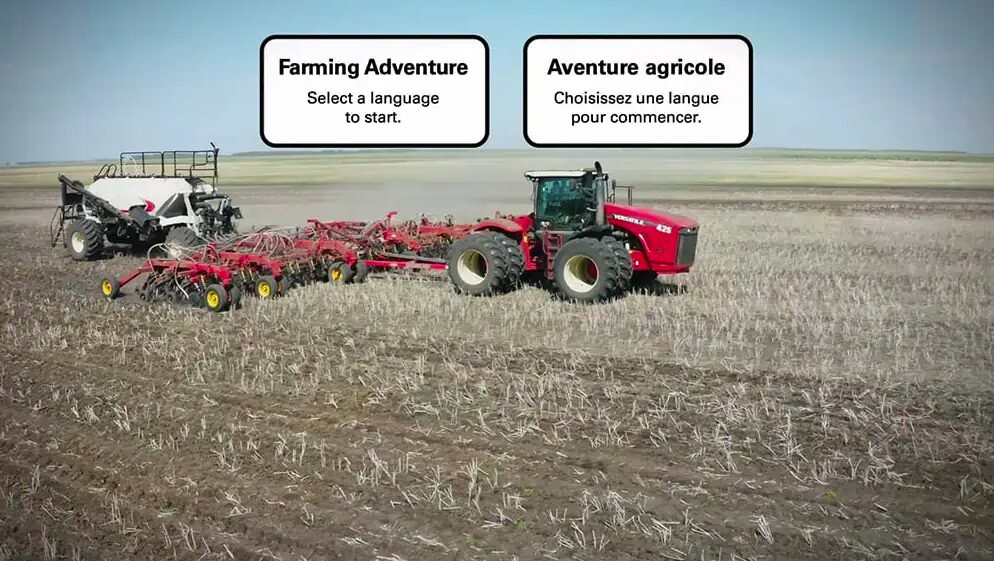
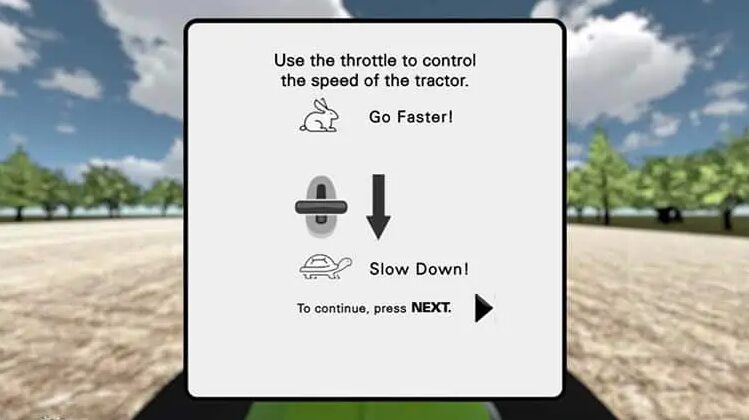
Developed through collaboration with museum staff, university students, accessibility experts, and users with lived experience, Farming The Future integrates physical controls, rich audio description, bilingual and Braille labeling, customizable tutorials, haptic feedback, and assisted gameplay modes. The result is a joyful, intuitive learning experience that demonstrates how inclusive design can enhance engagement, understanding, and fun for everyone.
Accessibility-First Design
As the technology lead for Ingenium, I was one of two project managers responsible for our accessibility-first research and design for Farming The Future, ensuring inclusion across physical and digital interactions. In particular, I managed integration of haptic feedback, customizable tutorials, and assisted play modes.
Collaboration & Iteration
I was responsible for directing a collaborative, iterative development process involving museum staff, accessibility advisors, university students, and external developers. I helped to guide rapid prototyping from cardboard controls to functional alpha and beta builds, facilitated structured testing sessions, and translated observations into concrete gameplay refinements.
Project Outcomes
- Delivered a fully accessible, digitally immersive tractor game that enables visitors with a wide range of abilities to play, learn, and engage equally.
- Replaced a legacy, failing interactive with a modern, durable experience that maintains the original’s popularity while significantly expanding accessibility.
- Established practical, repeatable accessibility standards for complex digital games in museum environments.
- Demonstrated the value of co-design through sustained consultation with people with lived experience, improving both inclusion and overall usability.
- Created a scalable model for future museum interactives that balances learning objectives, playful engagement, and inclusive design.
- Featured at MuseumNext’s Games & Play conference in 2023